Sleep Specialists | Optimizing Human Energy in the Age of AI
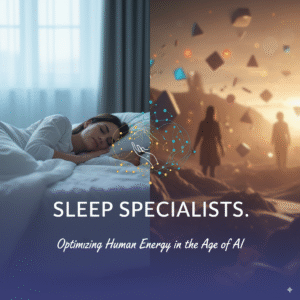
High-quality sleep is emerging as one of the most critical resources in a world dominated by speed, stress, and continuous digital engagement. While AI continues to automate cognitive and technical tasks, human physiology and the intricate mechanisms of sleep cannot be fully optimized by machines alone. Sleep specialists—experts in sleep therapy, circadian rhythm management, and biohacking of rest—are positioned to become one of the most valuable professions in the next five years.
Advantages: direct impact on human performance, high demand from corporate wellness programs, healthcare systems, and individuals seeking life optimization.
Challenges: requires deep understanding of biology, psychology, and emerging medical technologies; outcomes can be subtle and require long-term monitoring.
Path to Entering the Profession
Becoming a certified sleep specialist generally requires a background in medicine, psychology, or neuroscience. Fast-track paths include post-graduate certification in sleep medicine or sleep coaching programs, often 1–2 years in duration. Licensing requirements depend on jurisdiction: physicians must obtain medical board approval, whereas sleep coaches can work under wellness certifications, such as those offered by the Board of Certified Sleep Specialists (BCSS) or international coaching bodies.
Advantages, risks and salary

PROS
• Strong demand due to rising stress and burnout.
• High perceived value: expertise directly improves human energy and productivity.
• Opportunities across healthcare, corporate wellness, and personal coaching.
• Resilient to AI: machines cannot replicate nuanced human sleep interventions.

CONS
• Requires multi-disciplinary expertise (biology, neuroscience, psychology).
• Licensing can be restrictive for clinical practice.
• Results are often gradual; clients may demand immediate outcomes.
• Income heavily depends on specialization, client base, and region.

SALARY & GROWTH
• Early-career sleep coaches: $40,000 – $60,000 annually.
• Experienced specialists in private clinics or corporate wellness: $90,000 – $150,000.
• Licensed medical sleep physicians: $150,000 – $250,000 depending on region.
• Projected demand growth: 12–18% globally over the next 5 years.
Sleep Specialists and Toddlers

TODDLERS IMPACT
• Establishes healthy sleep patterns for children aged 1–5.
• Guides parents on routines, sleep associations, and managing common disorders.
• Supports optimal physical growth, cognitive development, and emotional regulation.
• Reduces behavioral issues and prevents long-term health complications.
• Personalized guidance requires human expertise—AI cannot replicate nuanced toddler sleep strategies.
Outlook in 5–10 Years
In the next decade, sleep specialists will integrate AI-driven monitoring and biofeedback technologies into practice, but the core service—personalized human guidance to optimize rest and recovery—will remain fundamentally human. The profession will evolve toward hybrid models, combining medical supervision, wearable diagnostics, and personalized coaching, creating high-value expertise that cannot be fully automated. As society recognizes sleep as a key factor in productivity and longevity, demand for these professionals will expand significantly.