Blanksquare – Making Privacy Native to Web3

Blanksquare (https://app.blanksquare.io/) is the plug-and-play privacy infrastructure for wallets and apps — composable, auditable, and battle-tested. Built for developers and users alike, it empowers seamless integration of blazing-fast ZK privacy across mobile wallets, dApps, and DeFi platforms.
With shielded accounts, real-time zk proofs, and institutional-grade fraud protection, Blanksquare redefines what privacy means in Web3. Take control of your on-chain footprint and break the link to your transaction history — privacy is now native.
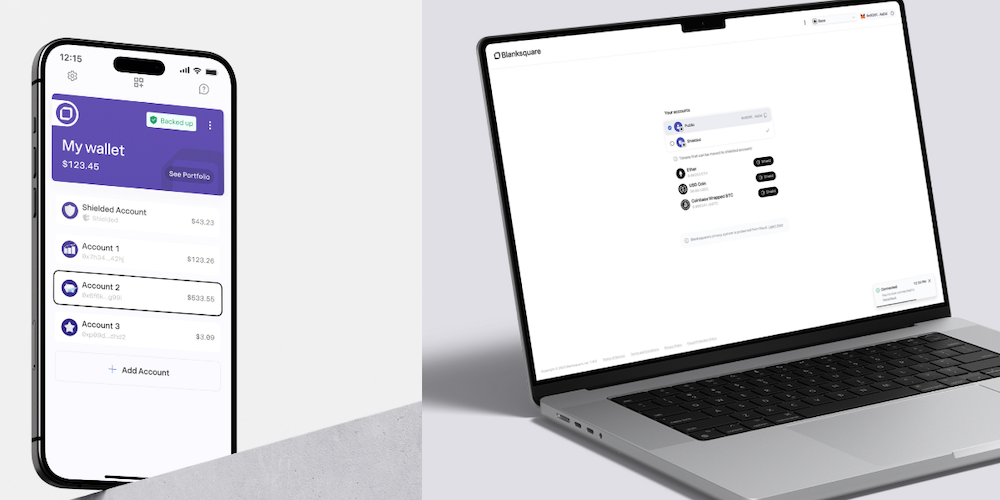
Blanksquare – Experience Seamless Privacy
Experience Seamless Privacy
- 🔐 Two Applications, One MissionBlanksquare delivers privacy through two pilot apps built on its SDK:
- ▫️ Mobile App: Privacy-first wallet for everyday use
- ▫️ Web App: Lightweight dApp to shield assets and withdraw to fresh addresses
- 🧱 Privacy Stack, Plugged InComposable SDK, shielded accounts, and decentralized infra for fast ZK privacy integration
- 🧩 Supported Integration: Prebuilt UX and managed infra for streamlined deployment
- 💸 No Integration Costs: Free for early partners, no withdrawal fees
- 🛡️ Shielded Accounts: Native privacy for wallets, dApps, and DeFi — no bridges needed
- 🏛️ Institutional-Grade Fraud Protection: Shielder Guard ensures compliant, auditable privacy
- ⚡ Real-Time ZK Proofs: ~1s latency for frictionless, scalable privacy
- 🧠 How It Works:
- ▫️ Connect your wallet and get a shielded account
- ▫️ Shield your tokens to go private
- ▫️ Move funds to a fresh account when ready
- ▫️ Break the link to your on-chain history
Blanksquare – Privacy Infrastructure for Web3
Blanksquare delivers composable, auditable, and battle-tested privacy for wallets and dApps. Its SDK powers shielded accounts, real-time zk proofs, and institutional-grade fraud protection — all without bridges or custom wallets.
With mobile and web apps as live pilots, Blanksquare proves that privacy can be seamless, fast, and native to Web3. Developers gain plug-and-play integration, users gain control over their on-chain footprint. Privacy is no longer optional — it’s built-in.