Mastering Investment Strategies for Diverse Portfolios: A Comprehensive Guide to Sustainable Wealth Growth
In an increasingly complex and interconnected global economy, the pursuit of sustainable wealth growth demands more than just savvy stock picking. It requires a meticulous, well-thought-out approach to building and managing a truly diverse investment portfolio. For many investors, the sheer volume of choices and the constant ebb and flow of market dynamics can be overwhelming. Yet, understanding and implementing sound investment strategies rooted in diversification, strategic asset allocation, robust risk management, and diligent long-term investment planning is not merely an option—it’s a necessity for achieving your financial aspirations.
This comprehensive guide is designed to demystify the art and science of portfolio diversification. We will delve into the fundamental principles that underpin successful investing, exploring how to construct a portfolio that is resilient, adaptable, and aligned with your unique financial goals and risk tolerance. From understanding the nuances of different asset classes to employing advanced strategies and navigating market volatility, you will gain actionable insights to empower your investment journey. By the end of this article, you will have a clear roadmap to cultivate a truly diverse portfolio capable of weathering economic storms and delivering consistent growth over the long haul.

Understanding the Core Principles of Diverse Investment Portfolios
A truly diverse investment portfolio is the bedrock of long-term financial success. It’s a carefully constructed collection of assets designed to spread risk and capture growth opportunities across various market segments. But what does “diverse” really mean in the context of investing, and why is it so crucial?

What Constitutes a Truly Diverse Portfolio? Beyond Simple Stock Picking
Many investors mistakenly believe that owning a handful of different company stocks constitutes a diverse portfolio. While it’s a start, true diversification goes much deeper than that. A comprehensive diverse portfolio encompasses a wide array of investments that react differently to various economic conditions, market cycles, and geopolitical events.
Key Components of a Truly Diverse Portfolio:
- Diverse Asset Classes: This is the most fundamental layer. Instead of focusing solely on equities, a diverse portfolio includes:
- Equities (Stocks): Representing ownership in companies, offering growth potential.
- Fixed Income (Bonds): Loans to governments or corporations, providing stability and income.
- Real Estate: Tangible assets like properties or Real Estate Investment Trusts (REITs), offering inflation protection and income.
- Commodities: Raw materials like gold, oil, or agricultural products, often acting as inflation hedges.
- Alternative Investments: Less traditional assets such as private equity, hedge funds, or even cryptocurrencies (with higher risk considerations).
- Geographic Diversification: Investing across different countries and regions reduces reliance on a single economy’s performance. For instance, a downturn in the U.S. market might be offset by strong growth in emerging Asian markets.
- Sector Diversification: Spreading investments across various industries (e.g., technology, healthcare, consumer staples, financials) ensures that a slump in one sector doesn’t cripple your entire portfolio.
- Market Capitalization Diversification: Including companies of different sizes (large-cap, mid-cap, small-cap) can provide varied growth profiles and risk exposures. Small-cap stocks, for example, might offer higher growth potential but also come with greater volatility.
- Investment Style Diversification: Incorporating both “growth” stocks (companies expected to grow earnings faster than the market) and “value” stocks (companies trading below their intrinsic value) can balance different market conditions.
- Reduced Volatility: By combining assets with different risk-return characteristics, the overall swings in your portfolio’s value are typically lessened. This can prevent sharp losses during market downturns.
- Protection Against Specific Risks: If a particular company or industry faces unexpected challenges, a diversified portfolio ensures that its impact on your overall wealth is limited.
- Enhanced Risk-Adjusted Returns: While diversification doesn’t guarantee higher returns, it aims to deliver the best possible returns for a given level of risk, or conversely, minimize risk for a target return. This concept is central to modern portfolio theory.
- Peace of Mind: Knowing your investments are spread across various avenues can reduce emotional stress during turbulent market periods, helping you stick to your long-term investment planning.
- Age and Time Horizon: Younger investors with decades until retirement typically have a longer time horizon, allowing them to take on more risk and allocate a larger portion to growth-oriented assets like equities. Older investors, closer to needing their funds, often favor more conservative allocations with higher fixed income exposure.
- Risk Tolerance and Capacity:
- Risk Tolerance: Your psychological willingness to take on risk and endure potential losses.
- Risk Capacity: Your financial ability to take on risk without jeopardizing essential financial commitments.
- A robust asset allocation aligns both your tolerance and capacity. If you can’t sleep at night due to market fluctuations, your allocation is likely too aggressive.
- Financial Goals: Are you saving for a down payment in five years, retirement in thirty, or a child’s education? Each goal might warrant a distinct asset allocation strategy. Short-term goals typically demand lower-risk allocations.
- Current Income and Savings Rate: A higher income and savings rate can provide a buffer, potentially allowing for a more aggressive stance, as you can recover from potential short-term setbacks more easily.
- Strategic Asset Allocation: This
A truly diverse portfolio isn’t just about having many investments; it’s about having investments that behave differently. This non-correlation of assets is the engine of effective diversification.

The Rationale Behind Diversification: Mitigating Risk and Enhancing Returns
The age-old adage, “Don’t put all your eggs in one basket,” perfectly encapsulates the core principle of diversification. Its primary purpose is to manage and mitigate risk without necessarily sacrificing returns. When one asset class or sector performs poorly, another might be performing well, thus smoothing out the overall returns of your portfolio.
Benefits of Diversification for Risk Management:
“A well-diversified portfolio is like an orchestra where different instruments play together to create a harmonious sound, even if one instrument occasionally hits a sour note.”
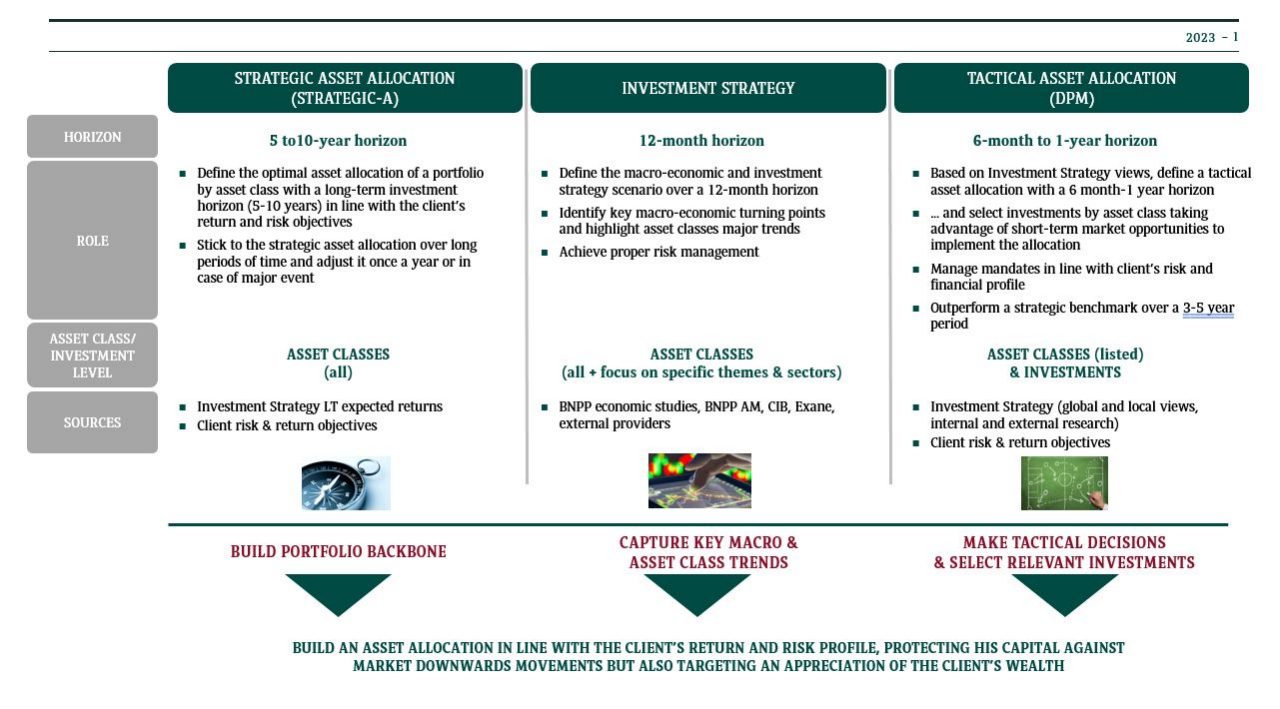
Strategic Asset Allocation: The Cornerstone of Effective Investment Strategies
Once you understand the ‘why’ of diversification, the ‘how’ comes into focus, primarily through asset allocation. This is arguably the most critical decision in your investment strategies, dictating the proportion of your portfolio invested in different asset classes. It’s not about timing the market, but rather about positioning your portfolio to meet your financial objectives over the long term.

Defining Your Optimal Asset Allocation Strategy
There’s no one-size-fits-all asset allocation. Your ideal mix depends on several highly personal factors:
Types of Asset Allocation Strategies: